
Everyone knows, bees make beeswax. But beekeepers know that it takes about 8 pounds of honey to make 1 pound of beeswax. A single pound of beeswax is roughly the equivalent of the wax in 3 deep frames of honey comb. So a standard beehive with 20 deep frames of comb will require the bees to consume over 53 pounds of honey. Just to build the comb. This fact makes beeswax a precious commodity to bees and beekeepers alike.

From the bees’ perspective being able to reuse comb that they’ve already created increases the amount of honey available for food. From the beekeeper’s perspective, new comb equals less honey.
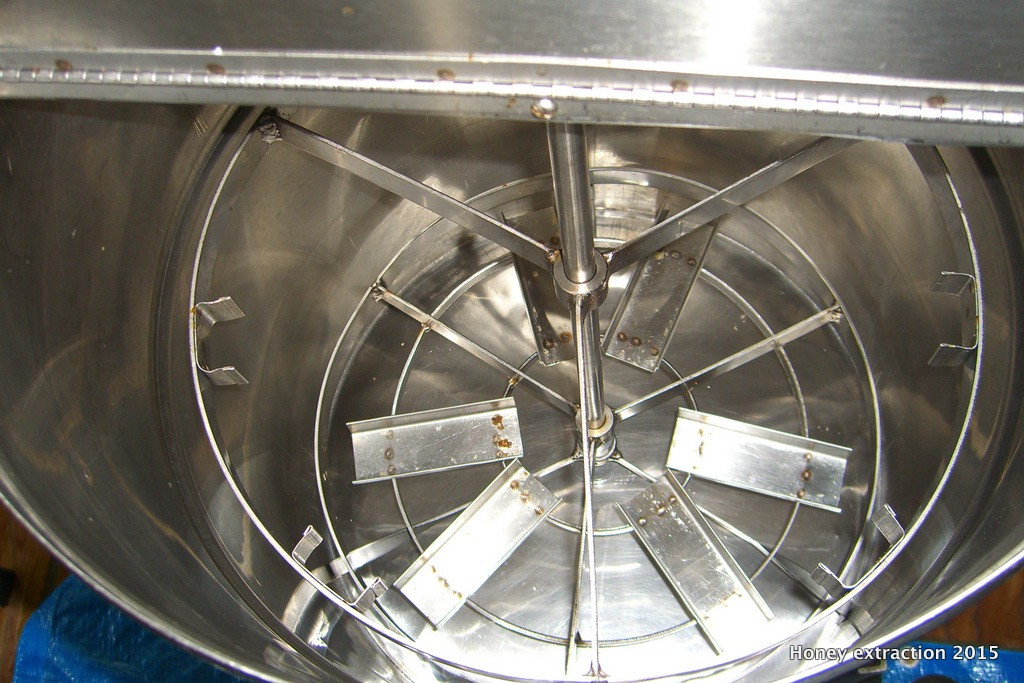
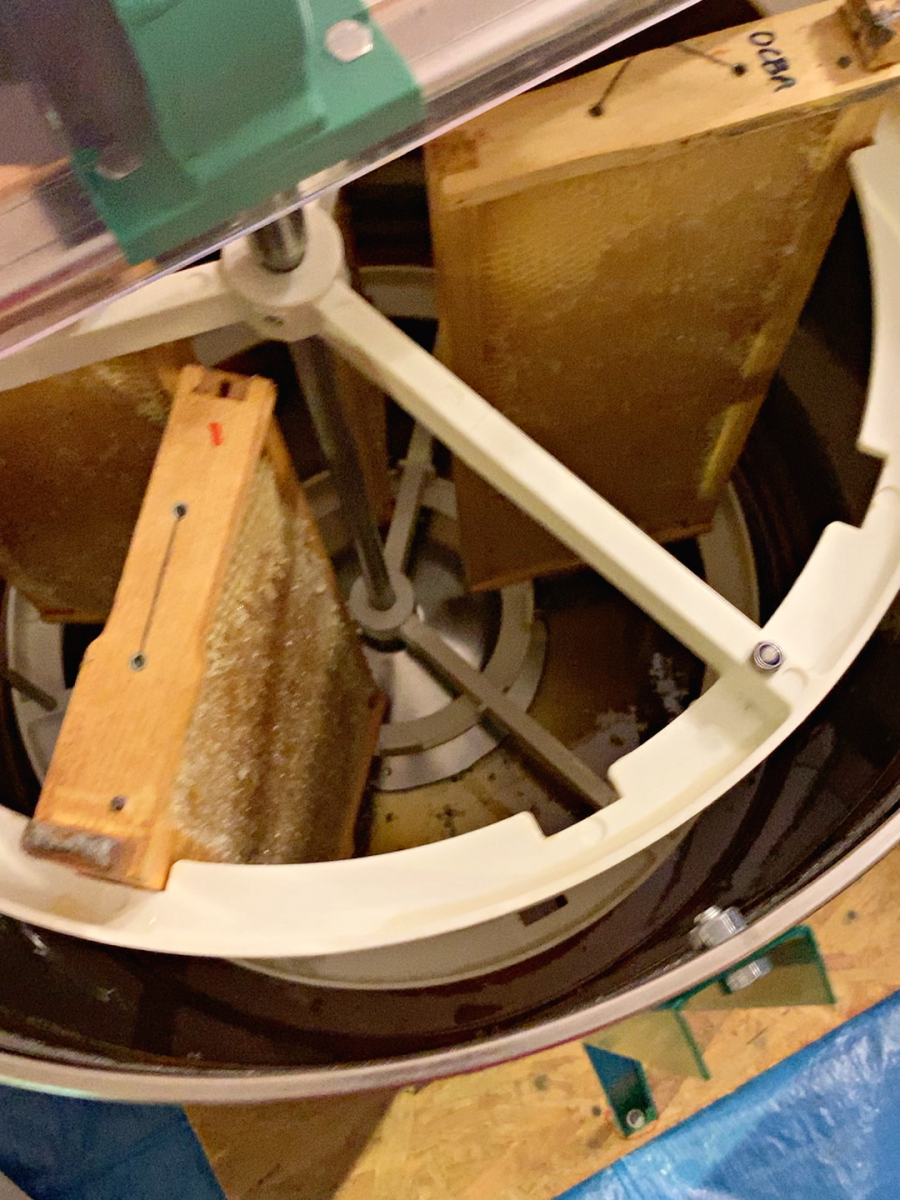
Franz von Hruschka invented the honey extractor in 1865. An extractor allows beekeepers to remove the honey from honeycomb without damaging the comb. Beekeepers can then return the empty comb to the bees. The bees don’t have to expend time and honey energy building new comb. They can simply refill existing comb with new honey. It is a win-win for bees and beekeepers. More food for the bees, more harvested honey for the beekeeper.
At first blush it would seem that this synthetically constructed honeycomb would benefit both bees and beekeepers. Bees are relieved of the tedium of producing wax and building comb. Beekeepers get a corresponding increase in the amount of honey produced in each hive. Again a win-win. But is it?

As a practical matter synthetic honeycomb provides immediate space for brood and for the storage of pollen and honey for the colony. But in so doing it raises serious concerns about the purity of beeswax in the marketplace and about the purity of the honey stored in a waxy blend of “fatty acids, fatty alcohols, fatty acid monesters, diesters, and triesters, hydroxyesters and hydrocarbons.”
A few simple questions about the purity of honey stored in artificial comb quickly come to mind.
-
- Is such honey free of allergy triggering plant products – for example, nut oils?
- Does this honey meet the requirements for Kosher and Halal certification?
- Is such honey pure honey or is the honey considered adulterated honey by its contact with a synthetic wax matrix?
- Does the honey meet vegetarian standards?
Aside from the dietary and honey purity concerns there are questions about the effect of synthetic wax on the commercial beeswax market. Pure beeswax has been used in pharmaceuticals, food coatings, cosmetics, candle making and other industrial uses for hundreds of years. Beeswax in the hive is a carefully managed resource by the bees. Bees mold it into comb, move it around the hive, and reuse it throughout the hive to meet the ever-changing needs of the colony. In a hive that contains synthetic comb it is likely that the artificial wax will be combined with pure beeswax creating an adulterated hybrid wax. Is the resulting adulterated beeswax suitable for “pure beeswax” uses outside of the hive? Will a separate hybrid wax market be created to keep adulterated wax out of the pure beeswax market?
These are all questions that individual beekeepers must consider before adding synthetic comb to the hives in their apiaries. These are also questions that consumers of honey and beeswax might want to ask of their honey suppliers. In short, it’s complicated.